I’ve never seen the Danny De Vito film The War of the Roses (1989). It came out during the first Christmas season that I celebrated with my first wife and my first child. I had lots of things to occupy me in those days, and going to see a dark comedy about a nasty divorce didn’t seem like a worthwhile thing to add to the list. Much later on I had my own divorce to contend with, and a movie like that seemed still less appealing.
But a remake has just been released (The Roses, 2025), featuring Olivia Coleman and Benedict Cumberbatch. I like both those actors, and may eventually see the newer movie. But, in looking into it, I found that both movies were based on a novel by William Adler.
I don’t know if you knew this about me, but I’ll read a book occasionally. I looked up Adler’s The War of the Roses (Warner Books, 1981) and read it on Saturday. A few days later, the book is still banging around in my thoughts, so I’ll try and exorcise it with a review.
Though the book has a number of things going for it, on balance I didn’t like it much. De gustibus etc. I can’t really talk about the things I liked and didn’t like without indulging in spoilers, so if you want to read the book and haven’t yet, you might want to stop here.

Middle-class people who got married in the USA during the postwar generation (late 1940s through early 1960s) tended to have a specific kind of divorce 15-20 years later. As you know, Bob (or Leonid), every unhappy family is unhappy in its own way, and not all families are unhappy. But unhappiness happens and there were social forces at work in this period that wrecked a lot of marriages.
If you’re of a certain age, you may not have lived through a divorce of this kind, but you know someone who did. The couple gets married; the husband goes to work (prospering or not as the case may be); the wife tends the home and raises the kids (prospering or not as the case may be). Then the economic pressures on the family change; opportunities for women open up. The wife starts to think maybe she could have a destiny other than or in addition to being just a wife and mother. The family adapts, and the marriage goes on, or conflict breaks the marriage, and the family has to adapt anyway. If you have a 1950s-style marriage, you run the risk of a 1970s-style divorce.
Marriages frequently break down because one or the other partner is a jagoff; there’s nothing preventing both partners being a jagoff. But the pressures on families in this period (which have not lessened since) can bust up marriages without anyone being at fault.
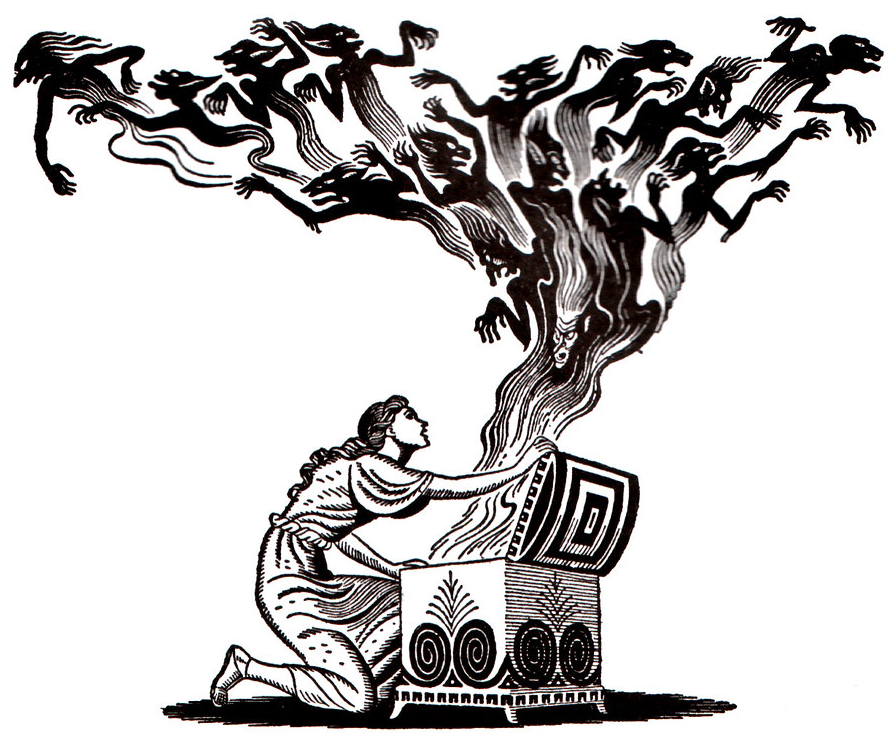
The War of the Roses tells the story of one of these doomed marriages, and there’s no doubt that both partners are to some extent jagoffs. But, and this is the most serious problem with the book in my view, they are not equal and opposite jagoffs. It’s The Woman who is the instigator and the escalator of all the trouble. It’s always been that way, as we know, ever since Pandora filed for divorce from Epimetheus, or Eve introduced Adam to fruit salad.
No, not really—but that’s the patriarchal line on women, and this novel seems to follow that line. Jonathan and Barbara Rose have been happily married for more than fifteen years. In the opening pages of the novel, we encounter them as young people falling in love. One day, much later, after Jonathan has a serious but non-fatal medical event, Barbara realizes that she wishes Jonathan had died. On further reflection, she decides she wants a divorce; she tells Jonathan so and hires an attorney.
Jonathan is blindsided, and at first doesn’t believe in the seriousness of the situation. Eventually, he also hires an attorney, and the battle is on.
The battle for what? Not the custody of the couple’s two children. Neither Jonathan nor Barbara seems particularly concerned for their welfare, but Jonathan concedes custody to Barbara at the outset. What’s at issue is the house that they bought and fashioned and furnished together. Jonathan is willing to concede half the value of the place to Barbara, but Barbara won’t accept that. She wants it all.
Possession being nine-tenths of the law, Barbara’s position would be stronger if Jonathan moved out, so he doesn’t. He stays in a guest room and sneaks in after everyone else has gone to bed and out before anyone else has got up. He’s been warned by his attorney not to provoke Barbara and make things worse, as Barbara has been warned by her attorney not to take action against Jonathan.
But they can’t help themselves. Part of Jonathan’s implicit territory is the garden, which he still tends. Barbara kills his beloved flowers. The principal bedroom is Barbara’s implicit territory; she’s put a lock on it. Jonathan has a duplicate key made, and messes with her stuff. Barbara doses a container of orange juice that she knows Jonathan is going to drink; he gets sick. Jonathan replaces Barbara’s Valium with dexedrine, so that she freaks out when she’s trying to calm down. Barbara tries (and fails) to trick Jonathan into having an in-house affair with the au pair, while getting recorded evidence thereof. Etc, etc, etc, until (with the kids away in summer camp) the two prowl for each other through the decaying house they say they both care about, trying to trap and kill each other until the house literally falls apart around them, killing them both and putting the reader out of the book’s endless misery.
The rap on De Vito’s War of the Roses and the 2025 remake is that they’re dark comedies, and that’s what I was expecting from the book. That’s the wrong attitude to read this thing with. Some of the scenes have a cruel humor to them (as when Jonathan doctors the chocolate dessert at one of Barbara’s dinner parties with Ex-Lax, yielding explosive results). Most of it is just cruel as these two demented figures grind themselves and each other into nothing.
There’s an appearance of tit-for-tat in the plot, but it’s not even-handedly applied. Barbara is always the instigator, and the more repugnant character; Jonathan is ever the victim. When Jonathan scares away the private detective that Barbara had set to spy on him, the PI accidentally drives over Barbara’s cat, killing her. Jonathan doesn’t want the blame, so he hides the body. Barbara still blames him, and retaliates by killing Jonathan’s dog, making his liver into paté, and serving it to Jonathan at an interview which is supposed to be about the couple reconciling.
Shades of Thyestes, or Procne and Tereus. It’s a savage and effective scene, drenched with tragic irony. Not what I would call funny, but then Adler never claims to be writing a comedy; that’s just a misapprehension I had when I started the book.
It’s this lack of even-handedness that spoiled the book for me. Barbara and Jonathan collaborate in the ruin of their marriage and their lives, just as they had in the building of same. But Barbara is always the worse character, right up to the end where Jonathan dies trying (and failing) to save Barbara from danger.
De gustibus non disputandum. Others may find this book a laff riot, or engage with it as a kind of psychological thriller (which is how the publisher packages it). This thing that I didn’t like was skillfully made, though, and I might give his other stuff a try sometime.

sounds to me like the author had a personal axe to grind.