In ancient days in the little kingdoms at the edge of the world, a seeker came before the prophet Imbaun, who said unto him, “As you go your way athwart the world, doing sometimes good and sometimes evil, avoid spelling any word with two or more contiguous Xs. For it shall make you seem a mere knob or dickhead.”
And the seeker said, “But I’m proteinmaxxing so I can looksmaxx my maxximaxxmaxx—”
Imbaun said sadly, “It is too late for this one.”
The seeker turned and saw the god Mung making the sign of Mung, pointing toward the end, and afterwards saw nothing, for he had nothingmaxxed.
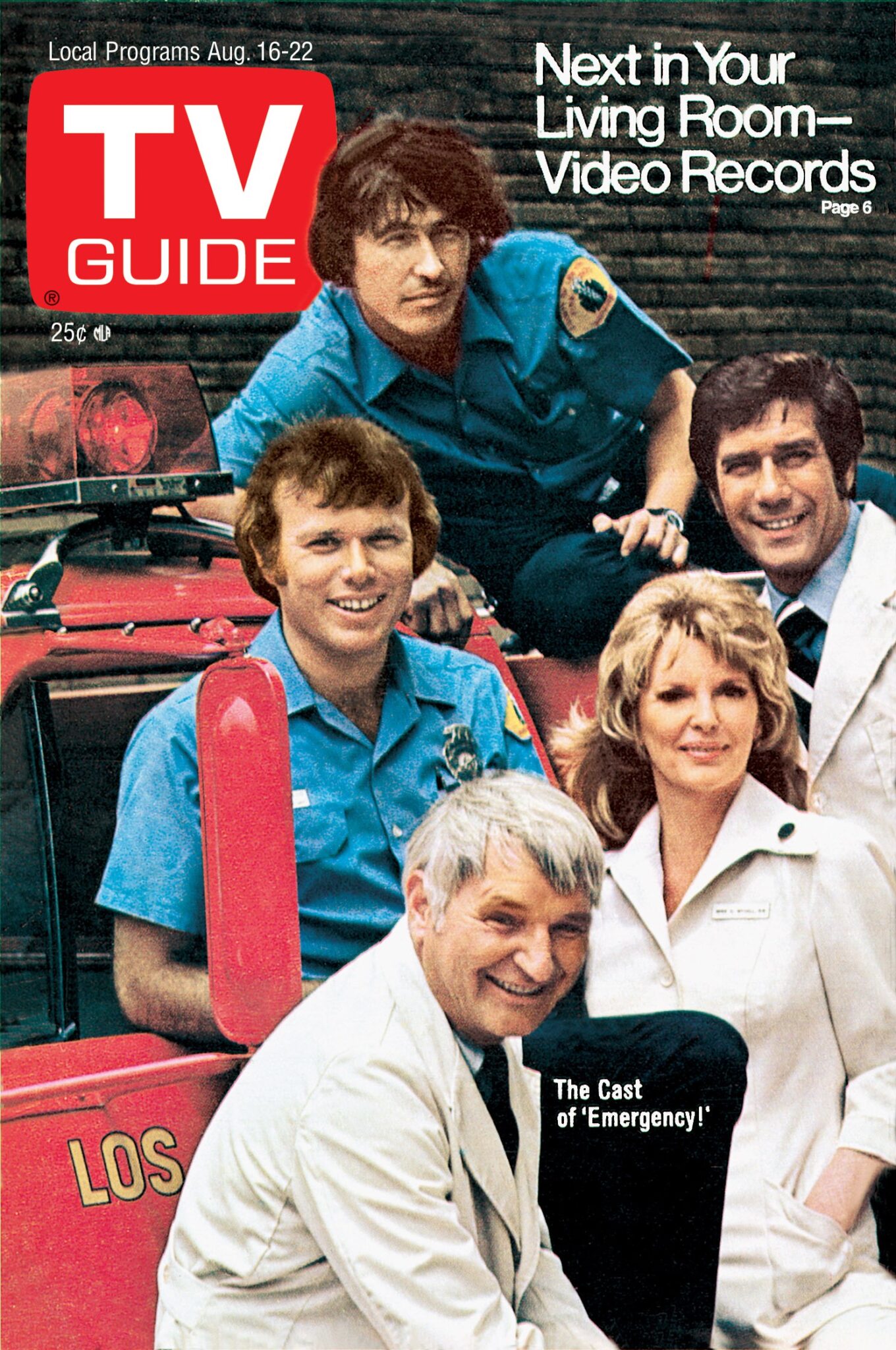
I was recently thinking about Randolph Mantooth (omnia mutantur; nihil interit), which naturally made me think of EMERGENCY! (1972-1979),
which made me think of Julie London, because I’m wired that way,
which made me think of how her ex-husband, Jack Webb (a man of unsuspected depths), hired both her and her husband Bobby Troup for the show, which makes me think of this scene from PERRY MASON: SPACE LAWYER, where Perry (Raymond Burr) elicits a confession from Buzzie (Bobby Troup) in heptalk. It is one of the greatest things ever.
Martha Vickers plays Buzzie’s bored hipster mate, who at no point seems to understand what’s happening in the scene. The actress died of esophageal cancer a dozen years later, which lends a macabre element to all the cigarette smoke drifting through this scene.
I finally saw Supergirl (2026), now that it’s on various streaming platforms.
(I rarely go to theaters anymore, a habit I developed even before the COVID lockdown. It’s an aversion to audiences who don’t know how to go to a movie rather than to any virus.)
The movie was pretty good, on balance, but had some pacing problems. Some spoilers for the movie and the comic book that provided some of the story follow below.
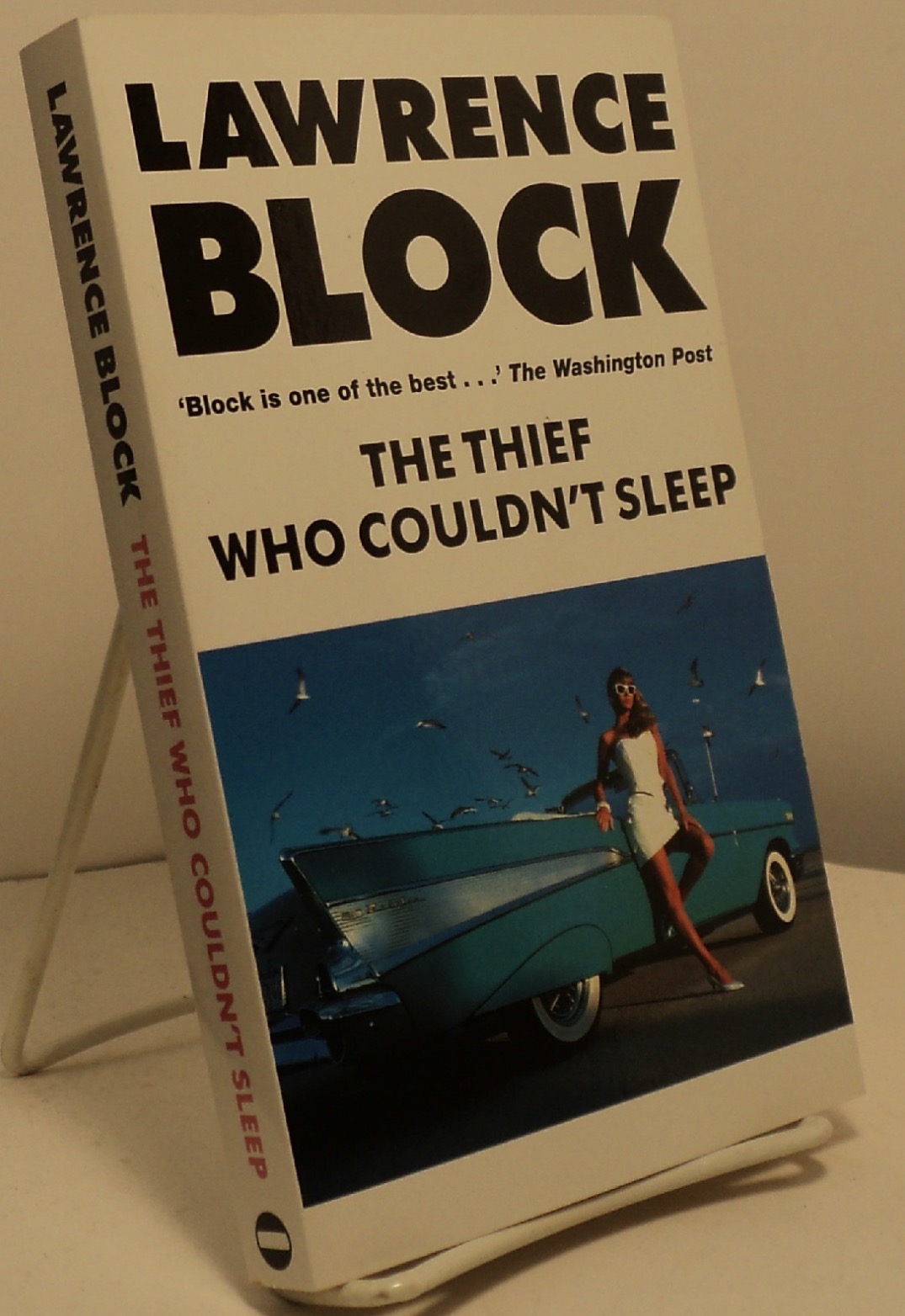
When I find out that a movie I like is based on a book, I frequently seek out the book. It’s not just that I like books better than movies (though a case could be made, I guess). There’s just likely to be stuff even in a fairly short book that there wasn’t space to include in a two-hour movie (or even a three-to-seven-hour movie, the current standard).
“More of what I like” is a pretty easy sell for me. The pattern was set when I read the novels that The Maltese Falcon (1941) and The Thin Man (1934) were based on. Huston’s movie is an enduring classic, but Hammett’s novel is even better, and the “Thin Man” movies, though fun, are pale shadows of Hammett’s last novel.
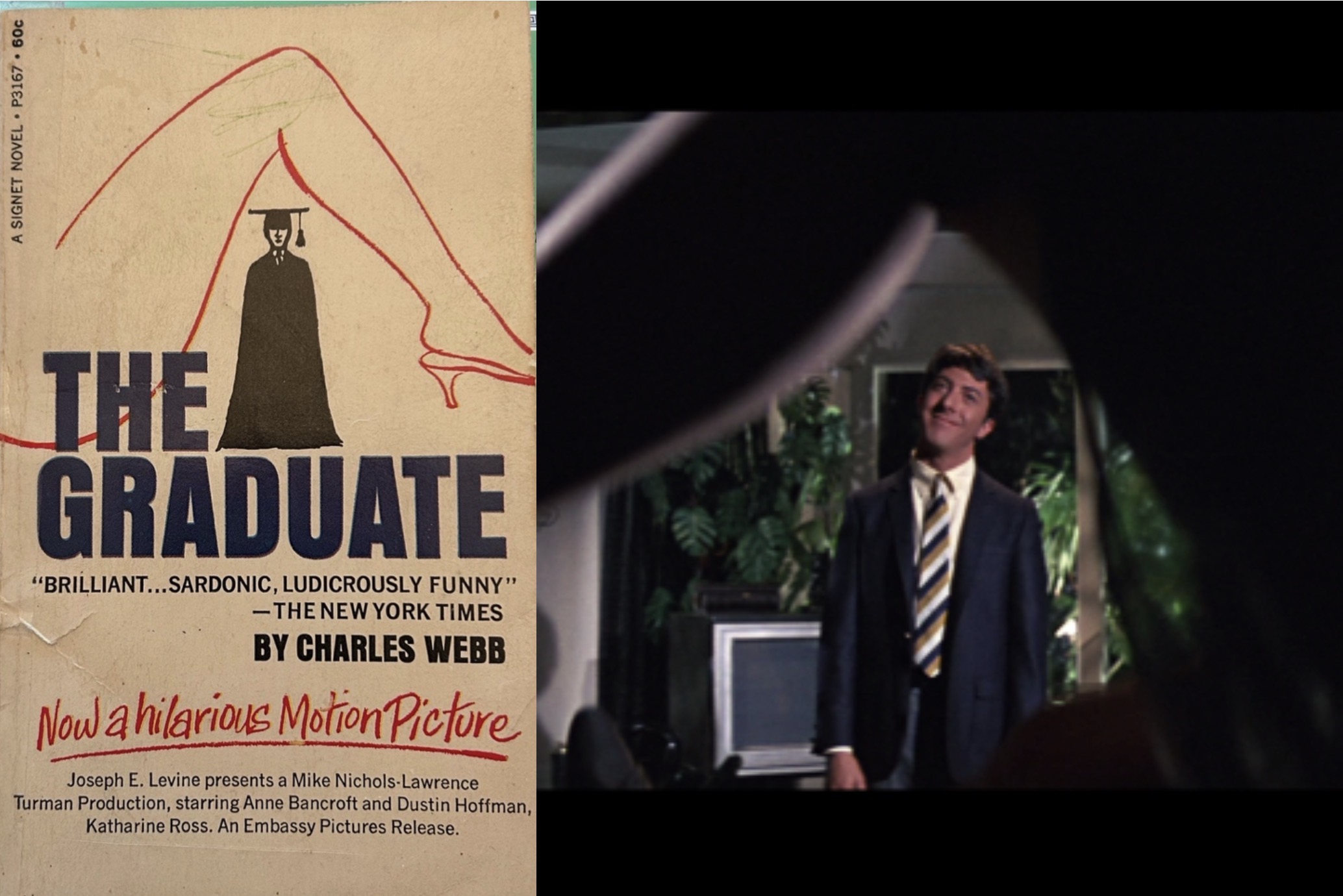
I’ve probably watched Mike Nichol’s The Graduate (1967) fifteen times, and usually when I see the credit “based on the novel by Charles Webb” I think, “Hey, I should read that.” Then I forget about all that when Anne Bancroft appears onscreen.
But over the weekend, D and I visited NeverMore Used Books in Toledo—a truly great bookstore. I ran across a paperback of Webb’s novel there and snapped it up. (Spoilers for the 63-year-old novel and the 59-year-old film follow, if you’re worried about that.)
I was wondering if the paperback’s cover inspired Nichols’ daring shot, but this cover image only seems to appear in movie tie-in versions, so it’s probably the other way around.Graduate to the Full Review Beyond the Jump!
I was reading Dougan’s commentary on Cicero’s Tusculan Disputations, which is a perfectly normal thing to do, and at one point (ad 1.49.118) he suggested that the English word clever is derived from deliver.
“Interesting, if true,” I thought, and consulted my go-to authorities, the tyrant OED and the democratical AHD.
I watched these two movies last night back-to-back and found that, oddly, they had a lot in common—although maybe the main thing they had in common was the guy watching them. Both involve solitary characters who face off against monsters. In this, they reminded me of sword-and-sorcery—a subject never far from my mind—even though neither quite qualifies as S&S; the one lacks sorcery, the other swords.
Above left: Zatoichi (Shintaro Katsu) is seen under the arms of a swordsman he’s just killed. Above right: Kristen Stewart fiddles with the fastenings of an ugly and uncomfortable dress.
There are no spoilers for Zatoichi movies; if you’ve seen one, you know how this one worked out. Spoilers for Personal Shopper will be inevitable, though, especially when discussing the movie’s ambiguous ending. If all you want to know is whether these movies are worth your time, I think they are. But de gustibus non disputandum, and all that.
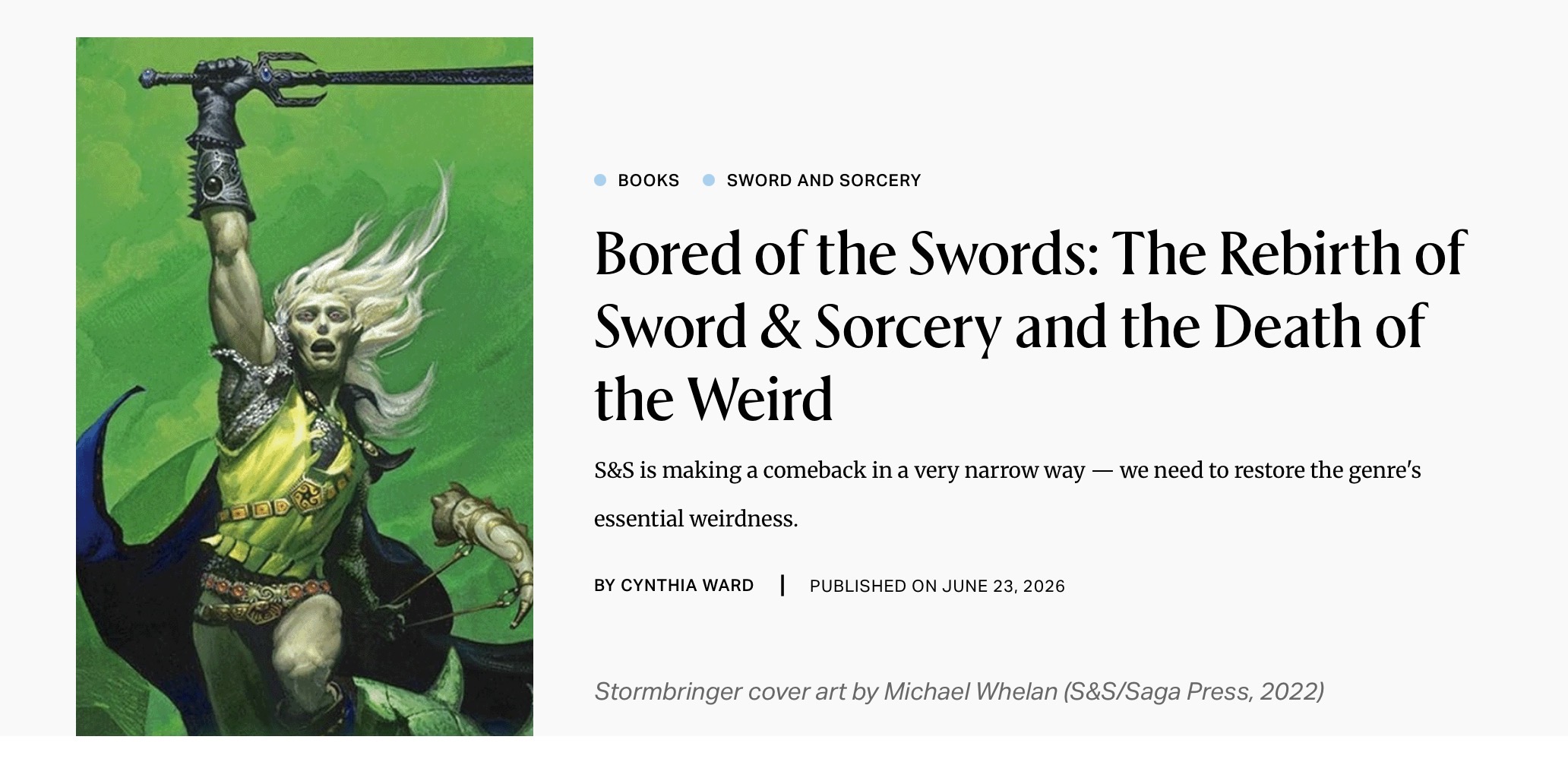
It’s natural not to name names in a general broadside like this, but I also think that it may be a mistake; one is as likely to wound friend as foe. However, since I’ve been writing for decades about an alcoholic wizard suffering from scoliosis, I’ll assume I’m not among the intended targets.
Screenshot
Appeals to weirdness fall friendly on my ear, anyway. Speaking as a reader, if imaginative fiction isn’t weird I’m unlikely to be interested in it. What’s the point? If the only weird thing about your story of an elf going through a midlife crisis is that it’s an elf going through a midlife crisis, you might as well de-elf that character and see if that story needs to be told at all.
I was reading Cicero’s Tusculan Disputations, which is a perfectly normal thing to do, and he quoted a line from Ennius, to make some point he thought needed making:
egregie cordatus homo, catus Aelius Sextus
“Why is he calling Aelius Sextus a cat?” I wondered.
Image of beatnik cat by Doug Amey; I’m not sure if he wrote the accompanying doggerel.
Still reading Lucian, and came across a great new-to-me Greek verb: ὠρύομαι (oh-ROO-o-mai). It means (and sounds like) “to howl” (as a wolf or dog).
It comes up in conversation between Hermes, who is conducting a party of ghosts to the underworld, and Menippus, the recently dead Cynic (“Doglike”) philosopher. Hermes has been describing how the world above is mourning or celebrating the deaths of Menippus’ fellow travellers, and he goes on to (sort of) put Menippus in his place.