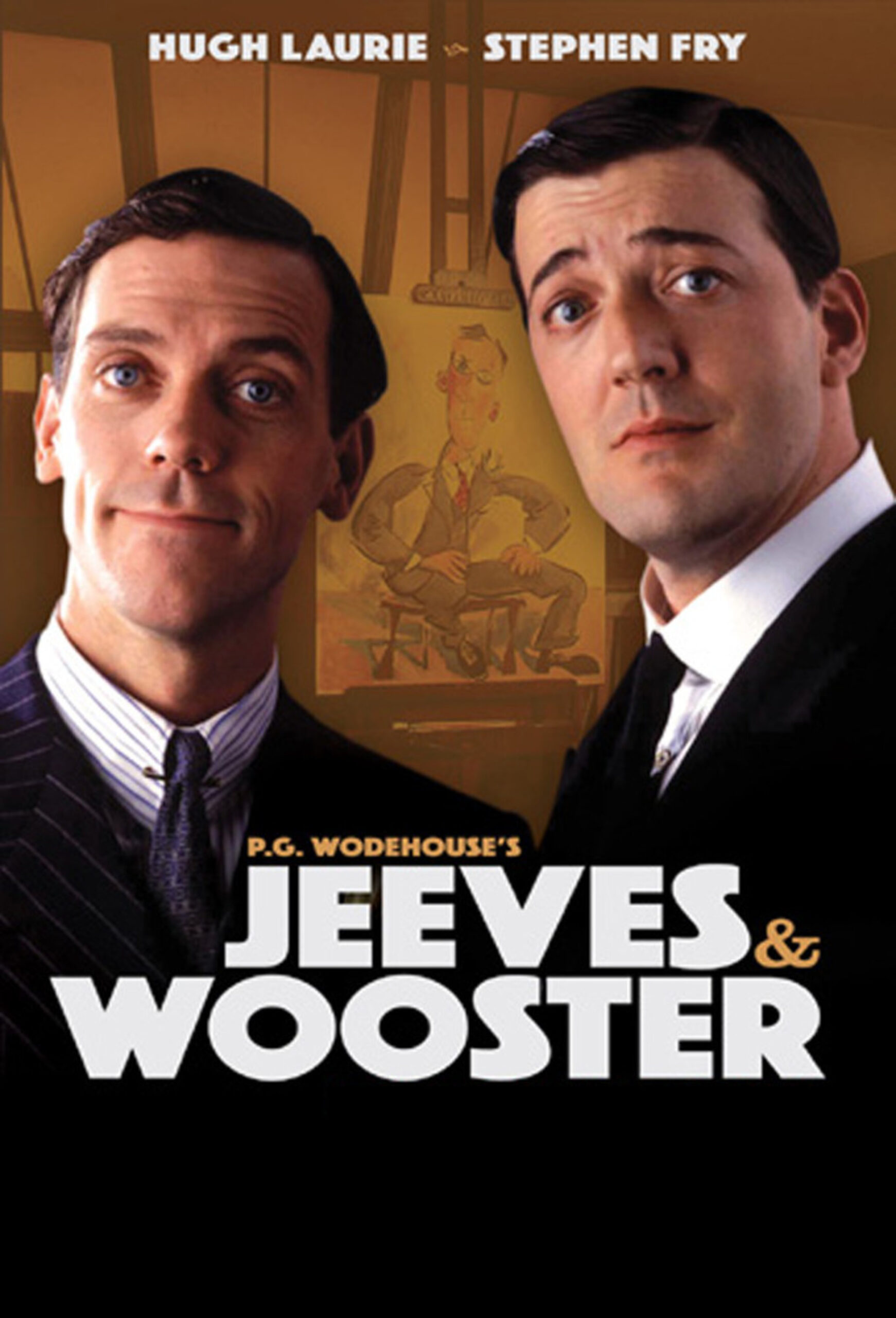
For escape, in the midst of the grading storm that always accompanies finals, I’m reading Innes’ England Under the Tudors (3rd ed; 1911). It scratches a longstanding itch to sort out the reigns and events of the pre-Liz Tudors, and is a dryly fun read. I realized the other night that it’s because the narrative voice reminds me of Jeeves, as played by Stephen Fry.
Innes, an older contemporary of Wodehouse, must have been exactly the kind of agreeable old pedant that PGW admired and rebelled against.
But he’s no dusty old buffoon. He’s a sharp observer of character and writes with a democratic contempt for tyrants. Here I was, reading about the English Reformation, worlds away from the dangers of the 21st C, when Innes smacks me between the eyes with this (about Henry VIII’s Treasons Act):
“An irresistible instrument of tyranny was created, justified of course by the usual argument that without such powers it was not possible to deal adequately with the abnormal dangers of the situation. It need only be remarked that where there is practically no check on the abuse of such powers save the scrupulosity of the persons in whom they are vested, the risk of flagrant injustice becomes almost incalculable.”
It turns out that the past is relevant to the present. Much of my life has been devoted to sustaining this truth, but it still surprises me sometimes.
