The Moon belongs to everyone; “The Best Things in Life” are now free. This and other news from the public domain on the other side of the link, courtesy of the Duke University’s Center for the Study of the Public Domain.
Prandente eo quondam canis extrarius e trivio manum humanam intulit mensaeque subiecit.
—Suetonius, Divus Vespasianus 5.4
“Once, while he was having lunch, a stray dog carried in a human hand from the crossroads and threw it under his table.”
This is one of the omens that are supposed to indicate that Vespasian was destined to be emperor (although, as Tacitus remarks in Historiae 1.10 post fortunam credidimus “we believed in [the omens] after his success”).
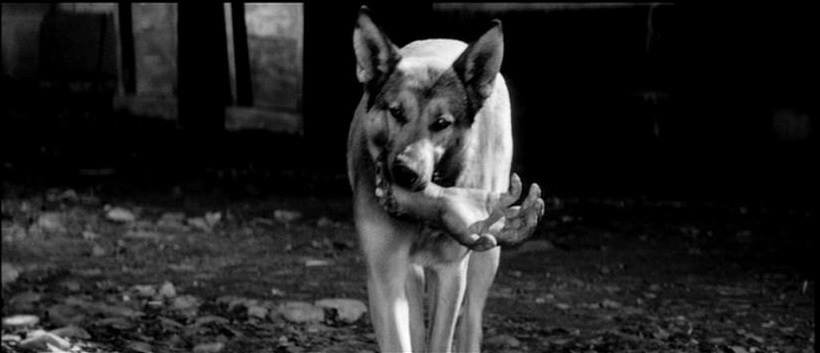
It’s not intuitively obvious that a dog carrying a human hand is a good portent; it’s used in a (much imitated) scene from Yojimbo to indicate oncoming (or ongoing) disaster.
screenshot from the opening scene of Yojimbo
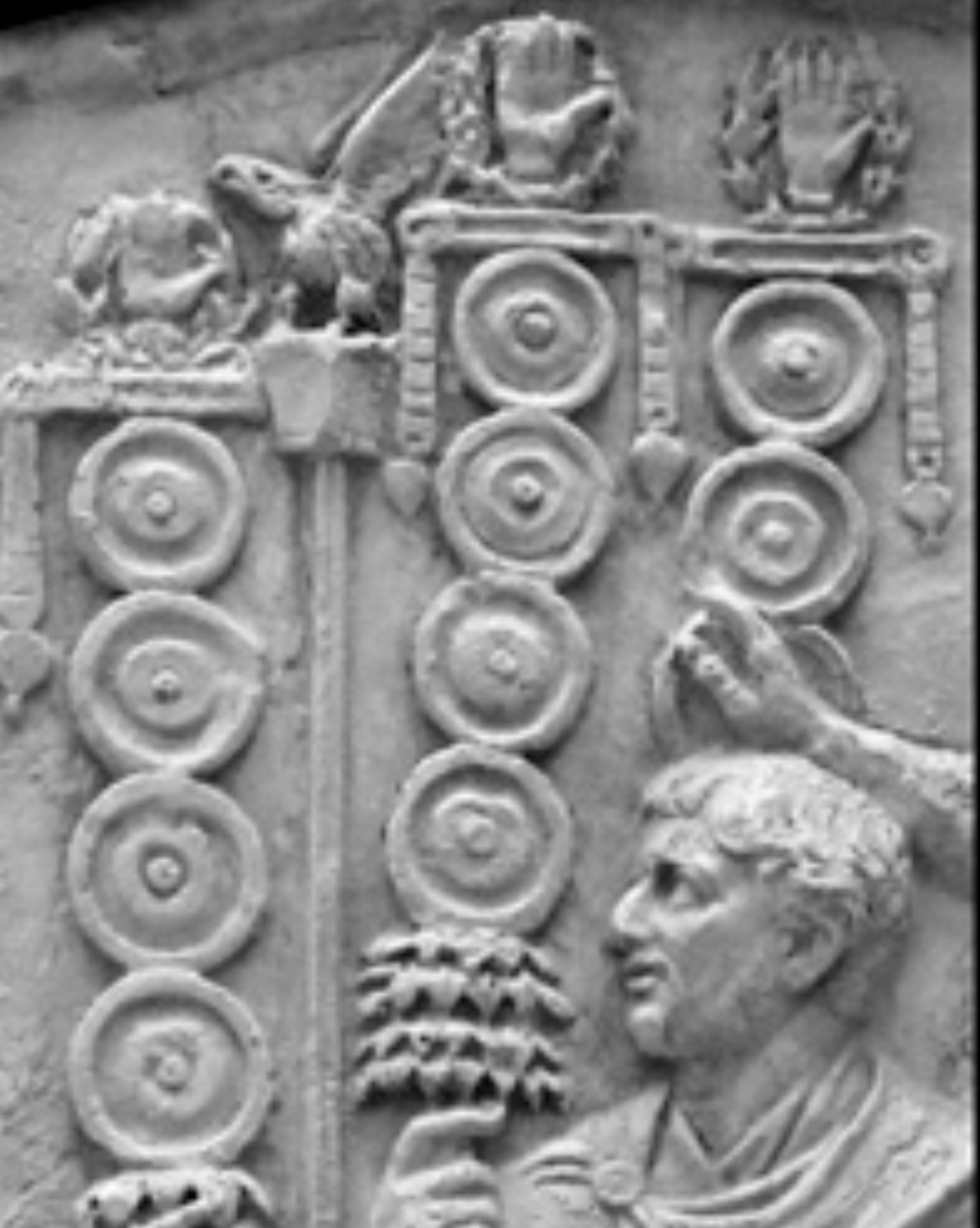
But there’s a visual pun here, often used in Latin: manus means “hand” (the thing at the end of an arm), but also “band” (of armed men), and “power” (especially the power of legally authorized violence). That’s why you see a hand atop lots of Roman military standards.
detail of the relief carvings on Trajan’s column; borrowed from here
I guess my point is: Everything Is Better With Latin!™—even (or especially) including stray dogs and carrion.
Posted inancient art, dogs, Rome|TaggedLatin|Comments Off on Let’s Give Vespasian a Great Big Hand
I was looking up þola in Cleasby & Vigfusson this afternoon even though I was pretty sure I knew what it meant, which is a totally normal thing to do. They said it meant “endure”, as I expected, and connected it to Latin tolerare, which I should have expected.
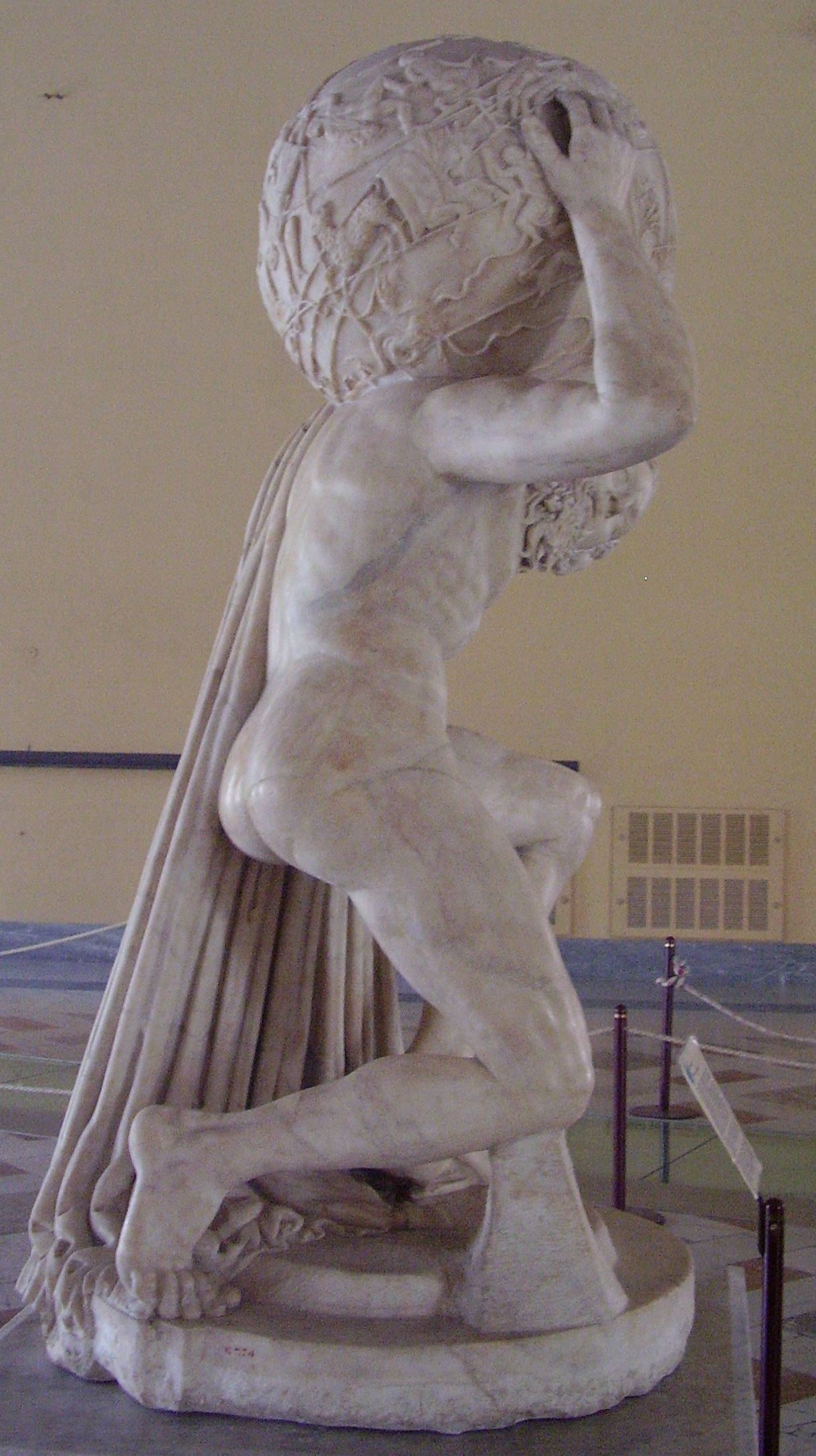
C&V are not the kind of guys who you have to believe about this stuff; their etymologies tend to be a little folky. But I looked it up in the AHD and Watkins says the words are cognate, going back to PIE *telə- “lift, support, weigh”. Other cognates are toll, the –tel– in philately, the tal– in lex talionis, the –tol in extol, the –lat– in legislator, relate (etc), and ablative (every Latinist’s favorite case), etc. It’s the root of Telamon (Big Ajax’s father), and possibly Atlas and Tantalus as well. That’s a lot of myth bound up in one little morpheme.
The Atlas Farnese in the Museo Archeologico Nazionale in Naples; I took the photo in the summer of 2008 or 2010.
It’s more narrowly directed at the chatbots’ inability to deal with actual fact and how it generates plausible-looking errors to cover the nakedness of its ignorance. Some call it hallucination, some confabulation; stochastic parroting was another suggestion.
Posted inAI is a misnomer|Comments Off on I Think, Therefore I Chat?
Gearing up to teach one of my favorite courses, “Medieval Legends”.
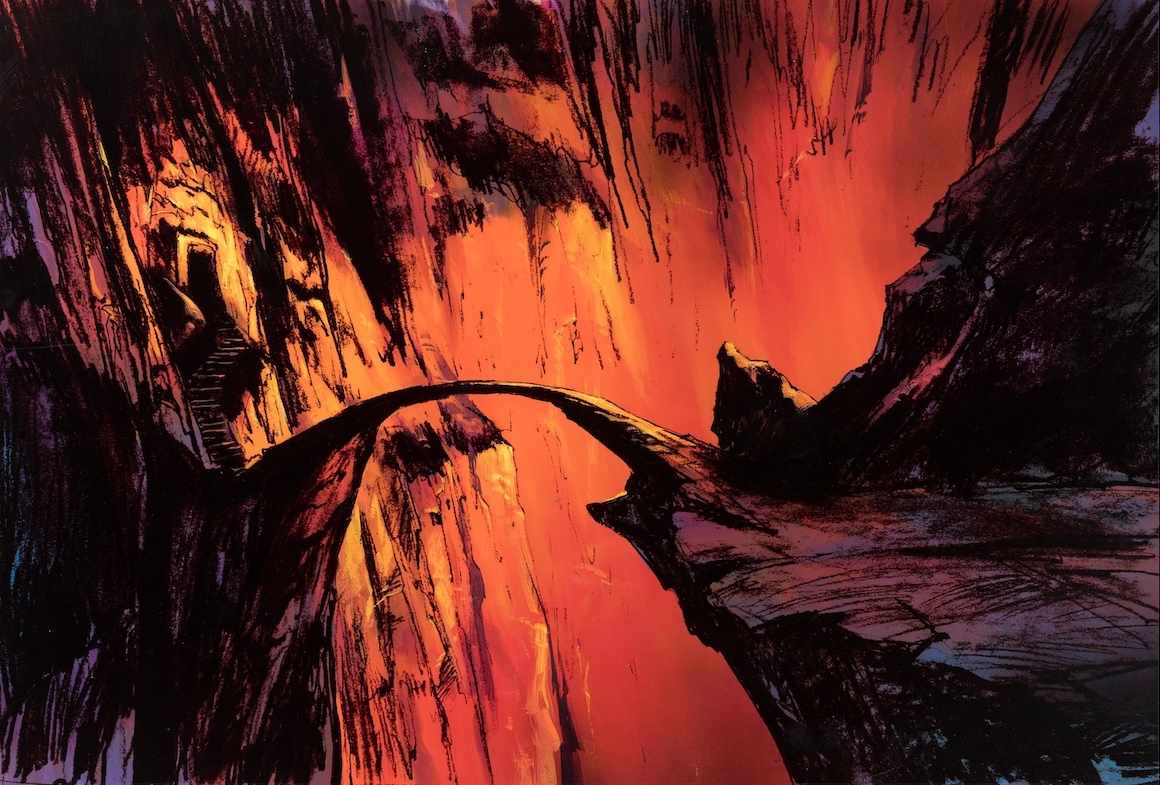
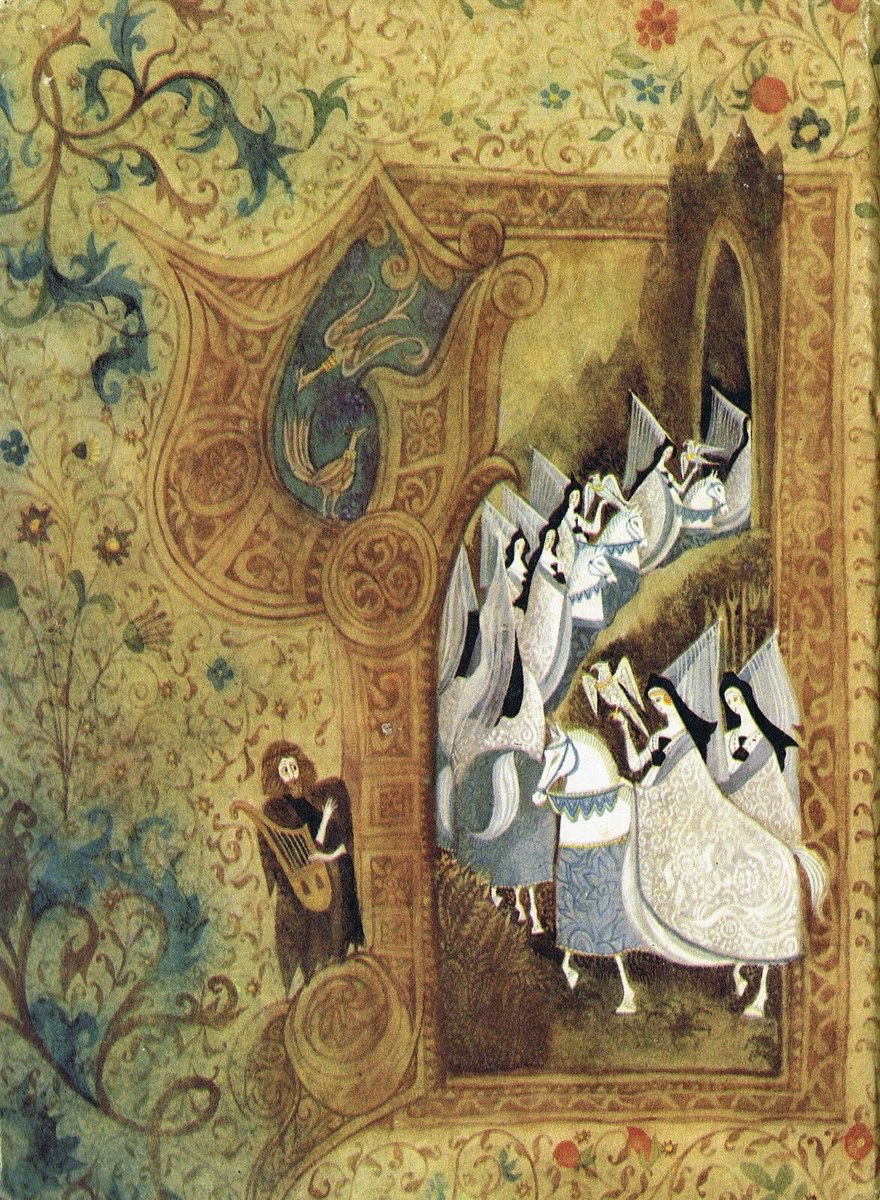
Le Cain: Orfeo sees the King of Faerie’s hunting party
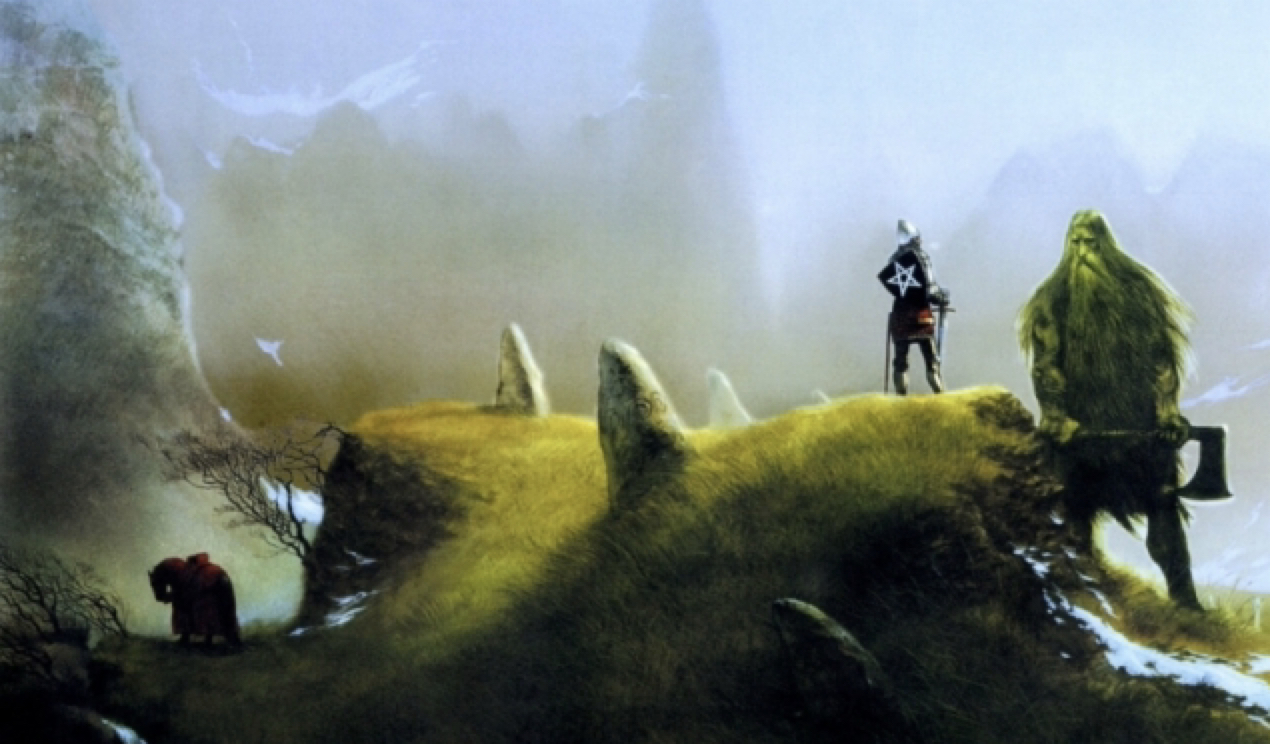
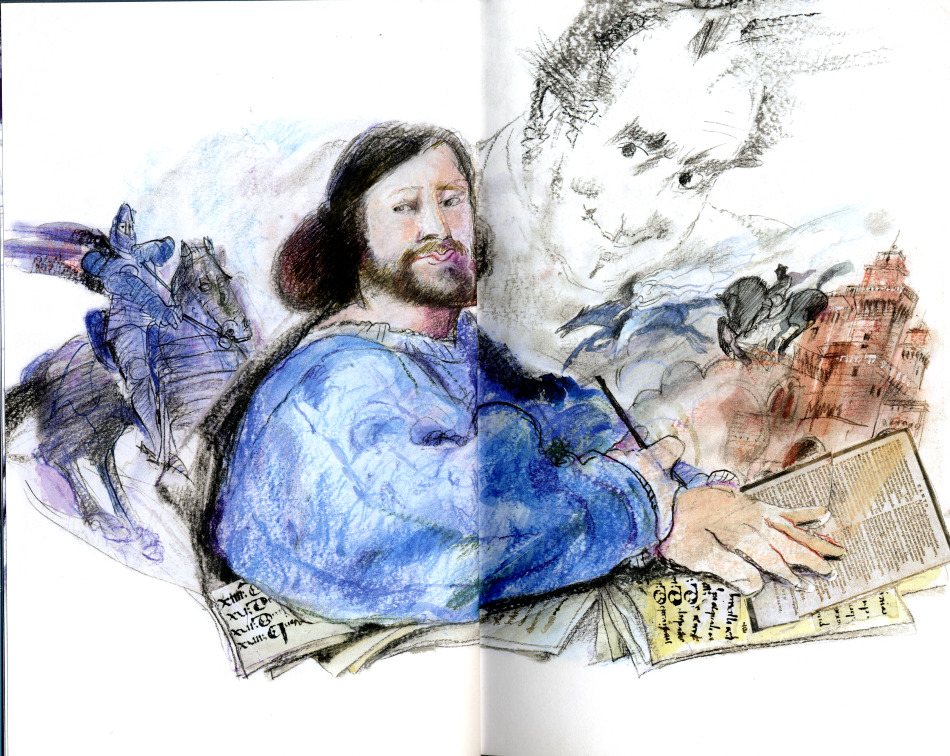
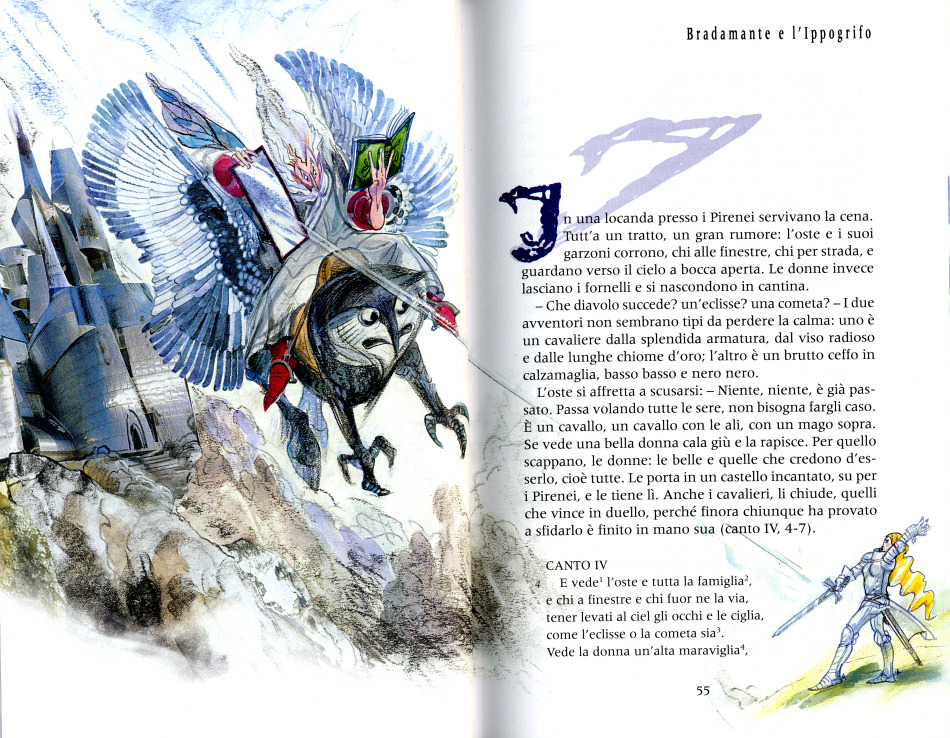
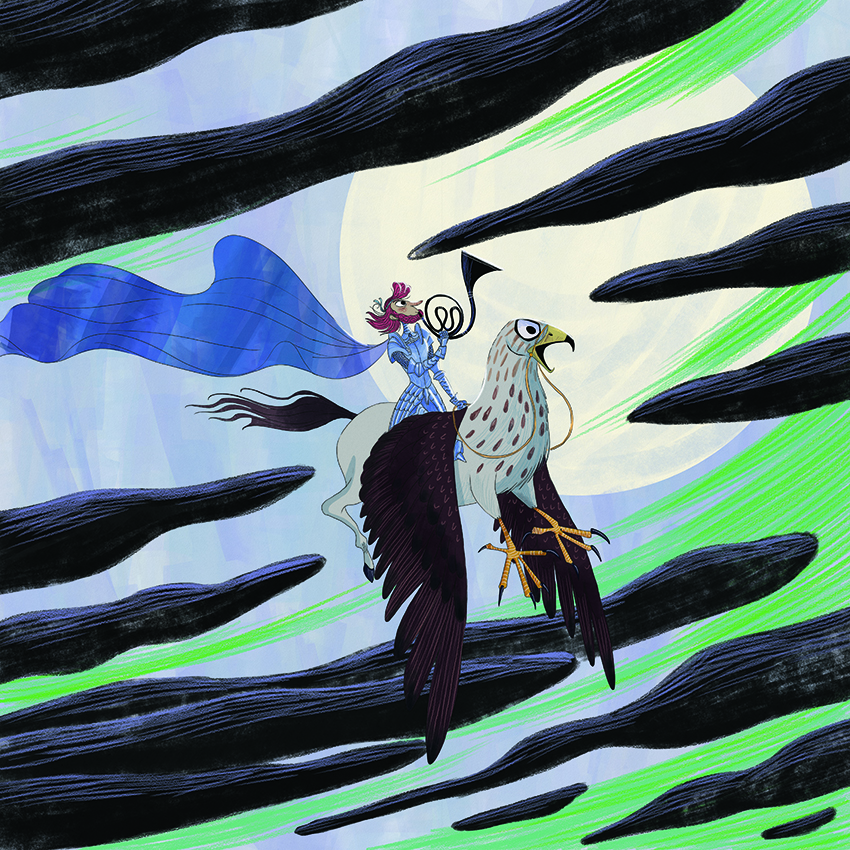
Howe: Sir Gawain & the Green Knight Grazia Nidasio: portraits of Ariosto & Calvino Grazia Nidasio: Atlante attacks BradamanteFabrizio di Baldo: Astolfo rides the hippogriff