

-
Archives
- December 2025
- November 2025
- October 2025
- September 2025
- August 2025
- July 2025
- June 2025
- May 2025
- April 2025
- March 2025
- February 2025
- January 2025
- September 2024
- July 2024
- June 2024
- May 2024
- January 2024
- November 2023
- October 2023
- September 2023
- August 2023
- July 2023
- June 2023
- May 2023
- April 2023
- March 2023
- February 2023
- January 2023
- December 2022
- November 2022
- July 2022
- July 2018
- September 2016
- July 2016
- March 2015
- October 2012
- August 2012
- July 2012
- May 2012
- April 2012
- February 2012
- January 2012
- December 2011
- October 2011
- September 2011
- August 2011
- July 2011
- May 2011
- April 2011
- March 2011
- January 2011
- December 2010
- November 2010
- September 2010
- August 2010
- July 2010
- June 2010
- May 2010
- March 2010
- January 2010
- December 2009
- November 2009
- October 2009
- September 2009
- August 2009
- July 2009
- June 2009
- May 2009
- April 2009
- March 2009
- February 2009
- January 2009
- December 2008
- November 2008
- October 2008
- September 2008
- August 2008
- July 2008
- June 2008
- May 2008
- April 2008
- March 2008
- February 2008
- January 2008
- December 2007
- November 2007
- October 2007
- September 2007
- August 2007
- July 2007
- June 2007
- May 2007
- April 2007
- March 2007
- February 2007
- January 2007
- December 2006
- November 2006
-
Meta
Coca þola
I was looking up þola in Cleasby & Vigfusson this afternoon even though I was pretty sure I knew what it meant, which is a totally normal thing to do. They said it meant “endure”, as I expected, and connected it to Latin tolerare, which I should have expected.
C&V are not the kind of guys who you have to believe about this stuff; their etymologies tend to be a little folky. But I looked it up in the AHD and Watkins says the words are cognate, going back to PIE *telə- “lift, support, weigh”. Other cognates are toll, the –tel– in philately, the tal– in lex talionis, the –tol in extol, the –lat– in legislator, relate (etc), and ablative (every Latinist’s favorite case), etc. It’s the root of Telamon (Big Ajax’s father), and possibly Atlas and Tantalus as well. That’s a lot of myth bound up in one little morpheme.
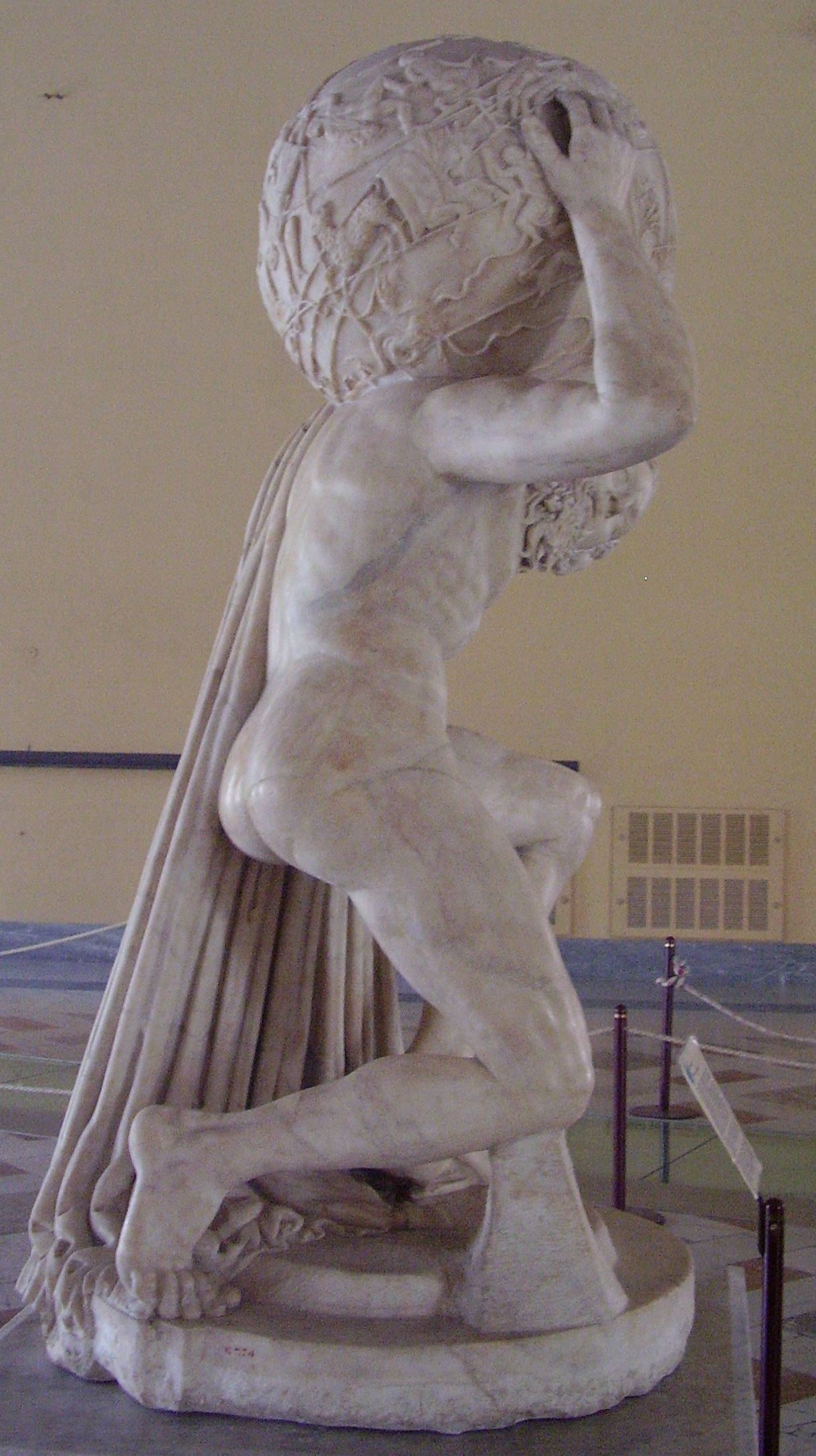
I took the photo in the summer of 2008 or 2010.
Posted in ancient art, Myth & Legend, words
Comments Off on Coca þola
With humans like these, who needs chatbots?
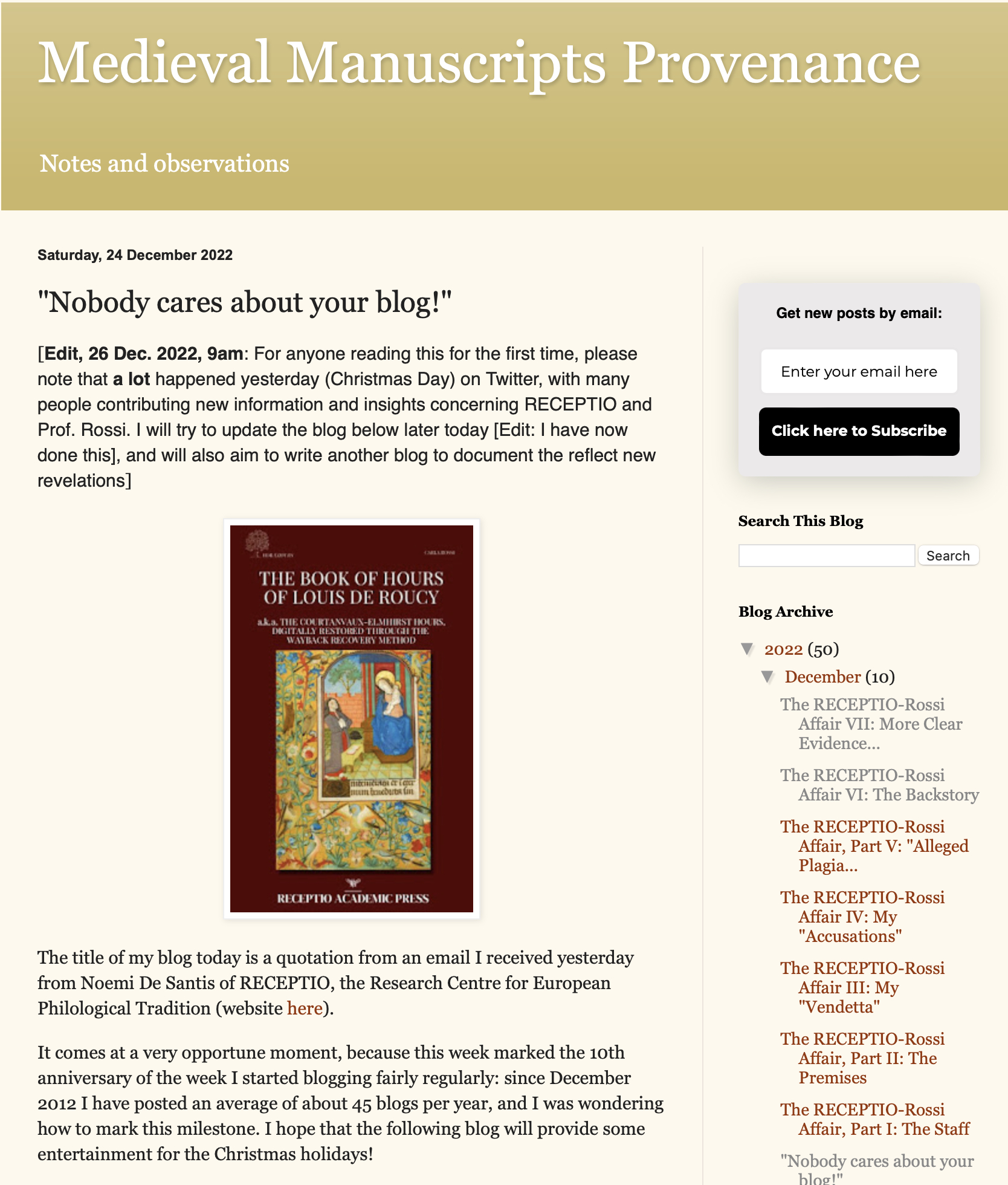
An epic explosion of plagiarism and academic fraud–good to the last drop. (If the last drop has in fact dripped.)
Posted in academia, plagiarism
Tagged odium philologicum
Comments Off on With humans like these, who needs chatbots?
In Moria, in Khazad-dûm…
The Bridge of Khazad-dûm from Bakshi’s Lord of the Rings movie.
If only the film had been as great as its background art.

Posted in art, fantasy, fantasy art
Tagged Lord of the Rings
Comments Off on In Moria, in Khazad-dûm…
I Think, Therefore I Chat?
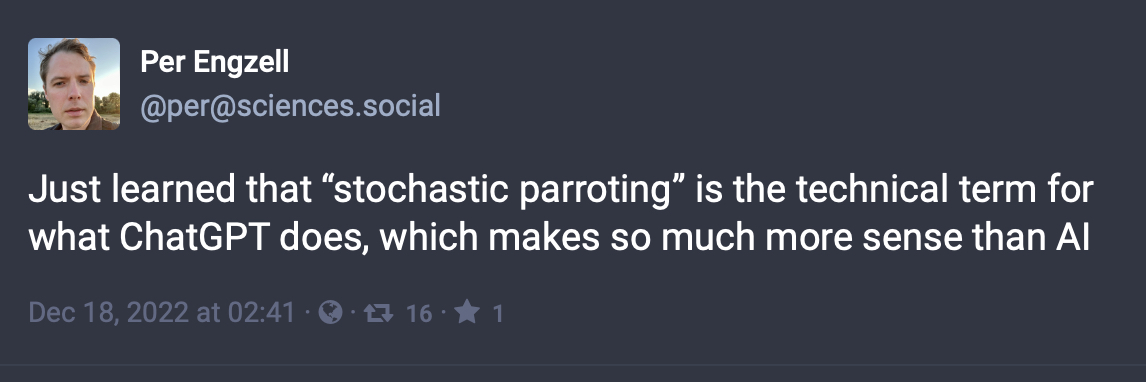
This brilliantly sums up my lack of wow at the Invasion of the Chatbots.
[edited to add:]
Here’s the discussion out of which the phrase arose.
https://news.ycombinator.com/item?id=33841672
It’s more narrowly directed at the chatbots’ inability to deal with actual fact and how it generates plausible-looking errors to cover the nakedness of its ignorance. Some call it hallucination, some confabulation; stochastic parroting was another suggestion.
Posted in AI is a misnomer
Comments Off on I Think, Therefore I Chat?
Looking Forward
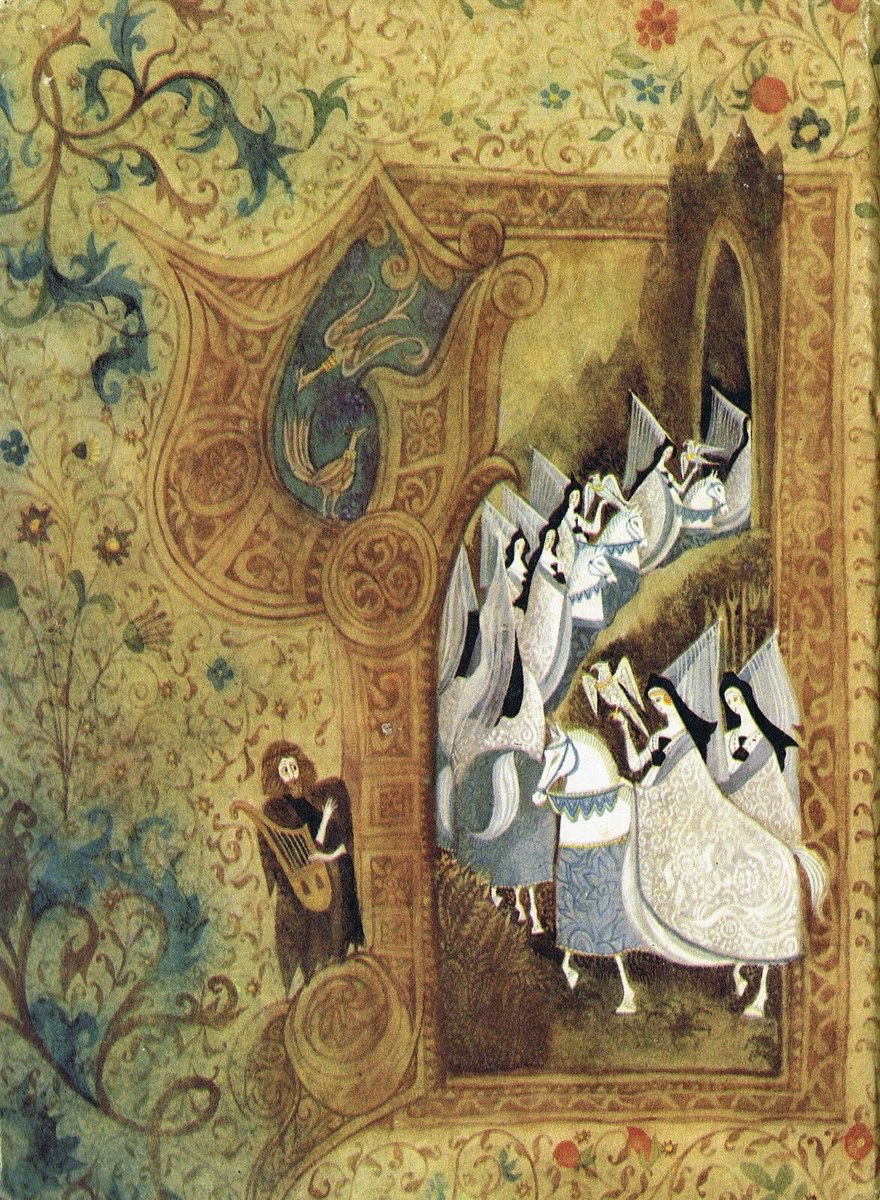
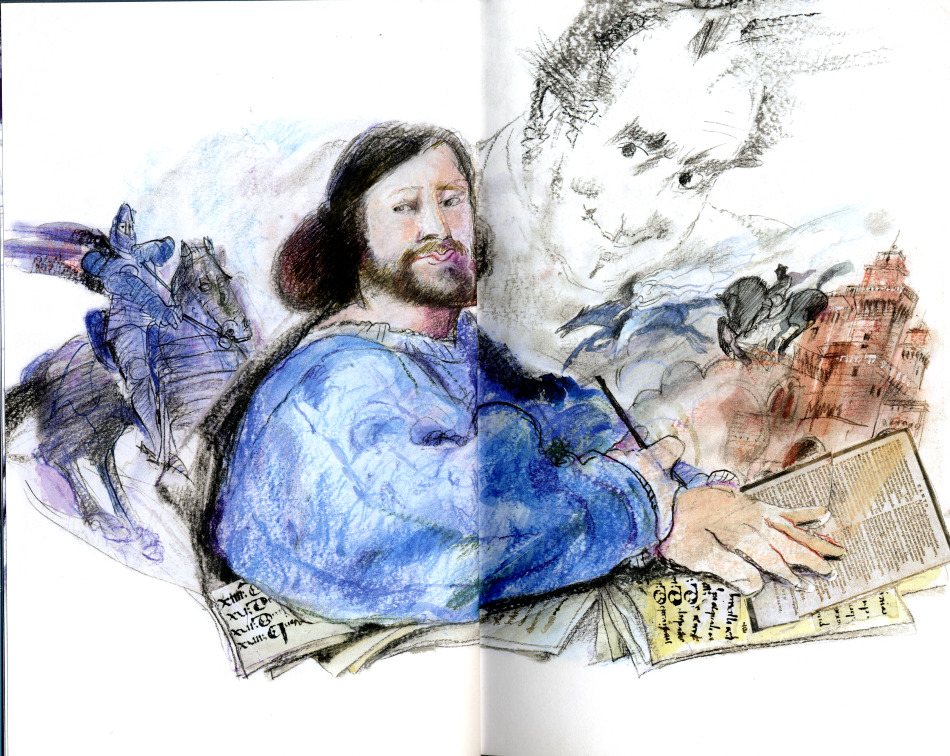
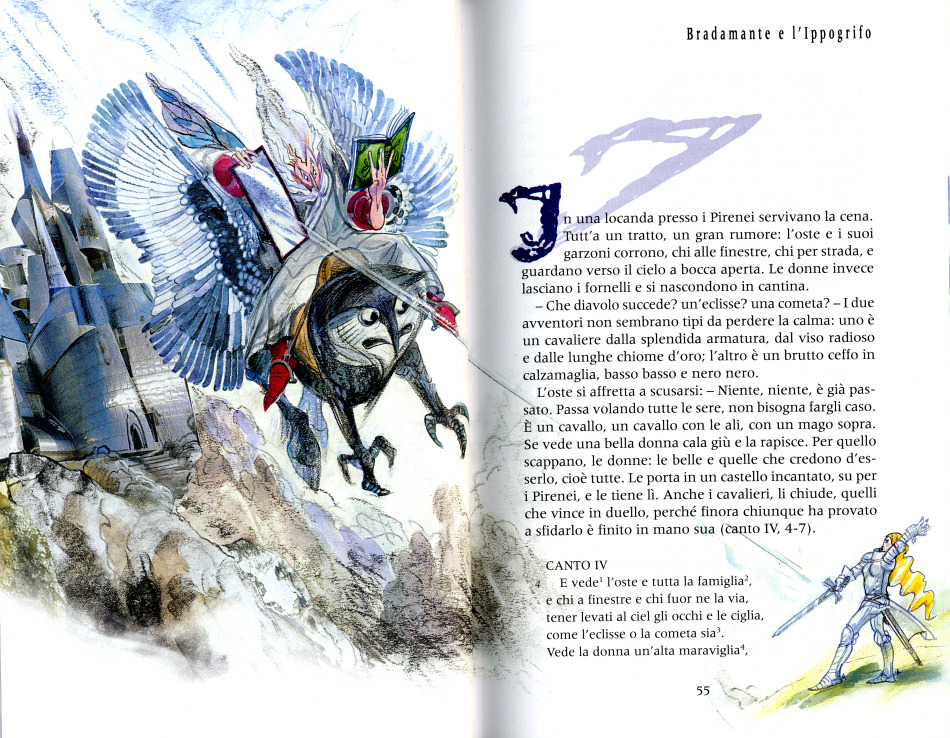
Gearing up to teach one of my favorite courses, “Medieval Legends”.


Fahrenheit 101
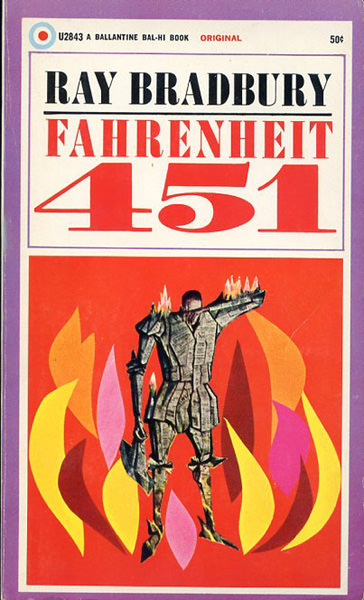
“You don’t have to burn books if the world starts to fill up with nonreaders, nonlearners, nonknowers.”–Ray Bradbury
Who’s Nest?
I was looking up the Old Norse word nestbaggi (“bag for provisions”) and wondering about the etymon of nest (“provisions”). Is it the same as English nest (like, where birds live)?
I still don’t know; it looks doubtful. But apparently English nest is derived from PIE *sed– “sit”, and is cognate with sedentary, settle, ersatz, banshee, etc. (The ban– is from Gaelic bean “woman”, says the AHD, and is cognate with queen and the gyn– in gynecology etc.)
That nest should come from *sed– seemed crazy to me at first, but the ne– is actually a prefix meaning “down”, so nest is a place where you settle down, especially if you’re a bird.
The same combo yields niche , nick, and Latin nidus (“nest”). I mention nidus because Everything Is Better With Latin!™, but also because it’s the root of nidiculous (“nest-sharing; nesty”), a completely nidiculous word that everyone should use fifteen times a day.
Posted in words
Comments Off on Who’s Nest?
State of the Onion
A kind of review, I guess.
Executive summary: a fun satire of techbro billionaires and their self-built cults, set inside a movie about mystery stories and puzzles. It’s maybe half an hour too long, like practically every movie made nowadays. Some mild spoilers may follow. Let’s inbrethiate this moment fully, and then plunge in.
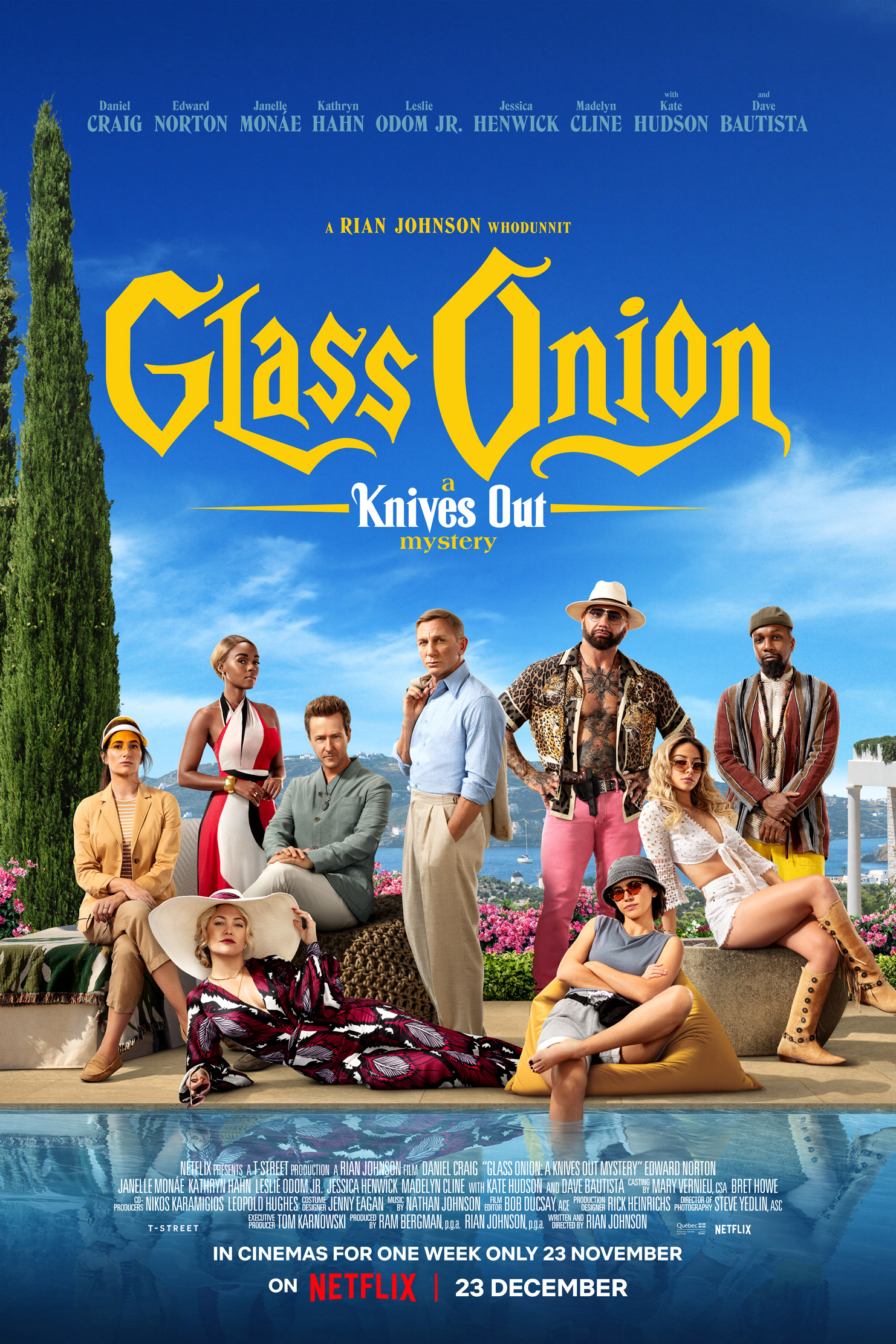
As a mystery, this is not very challenging. If you ask yourself at the beginning Cui bono? (“Who benefits?”), it’s fairly clear to see Who Is Behind It All. It’s less interesting as a whodunnit than as a howcatchem, like a Columbo episode. (Kids, ask your grandparents who Columbo is. Don’t Google it, or your timelines will fill up with ads for adult diapers.) There are a couple of twists and turns along the way that surprised me, even if the destination didn’t. The gifted cast digs their teeth into the scenery and each other, having a great time, and that’s fun to watch. Everyone is pretty great, particularly Kathryn Hahn, who always is, and Janelle Monae, who is stellar in doing something I can’t talk about without spoilers. I have to admit Daniel Craig’s chicken-fried accent is growing on me, and he was a genial and wily presence throughout. Ed Norton’s befuddled, store-bought, not-quite-brilliance was entertaining, too.
Much is made in this movie of puzzles and people who like them. It’s deliberately reminiscent of The Last of Sheila: Sondheim himself (screenwriter of Sheila) is seen briefly onscreen in a Zoom call, for instance, and in both movies the setup involves a rich narcissist who invites a clutch of his guilty frenemies to an isolated location so that he can torment them with a mystery game. It also reminded me a lot of Sleuth (1972), a performance about performers, gamesters, and tricksters, with most of the parts being played by Laurence Olivier and Michael Caine, not to mention some some able assistance in smaller parts by screen veterans like Alec Cawthorne, Eve Channing, and Teddy Martin.
That’s good for Glass Onion, because those are very good movies to be compared to. But it’s also bad, because they’re better movies than Glass Onion.
Not that Glass Onion is bad. I know that Ben Shapiro thinks so, and if you take his opinion seriously you’re unlike to take mine seriously. But let’s start with his objections:
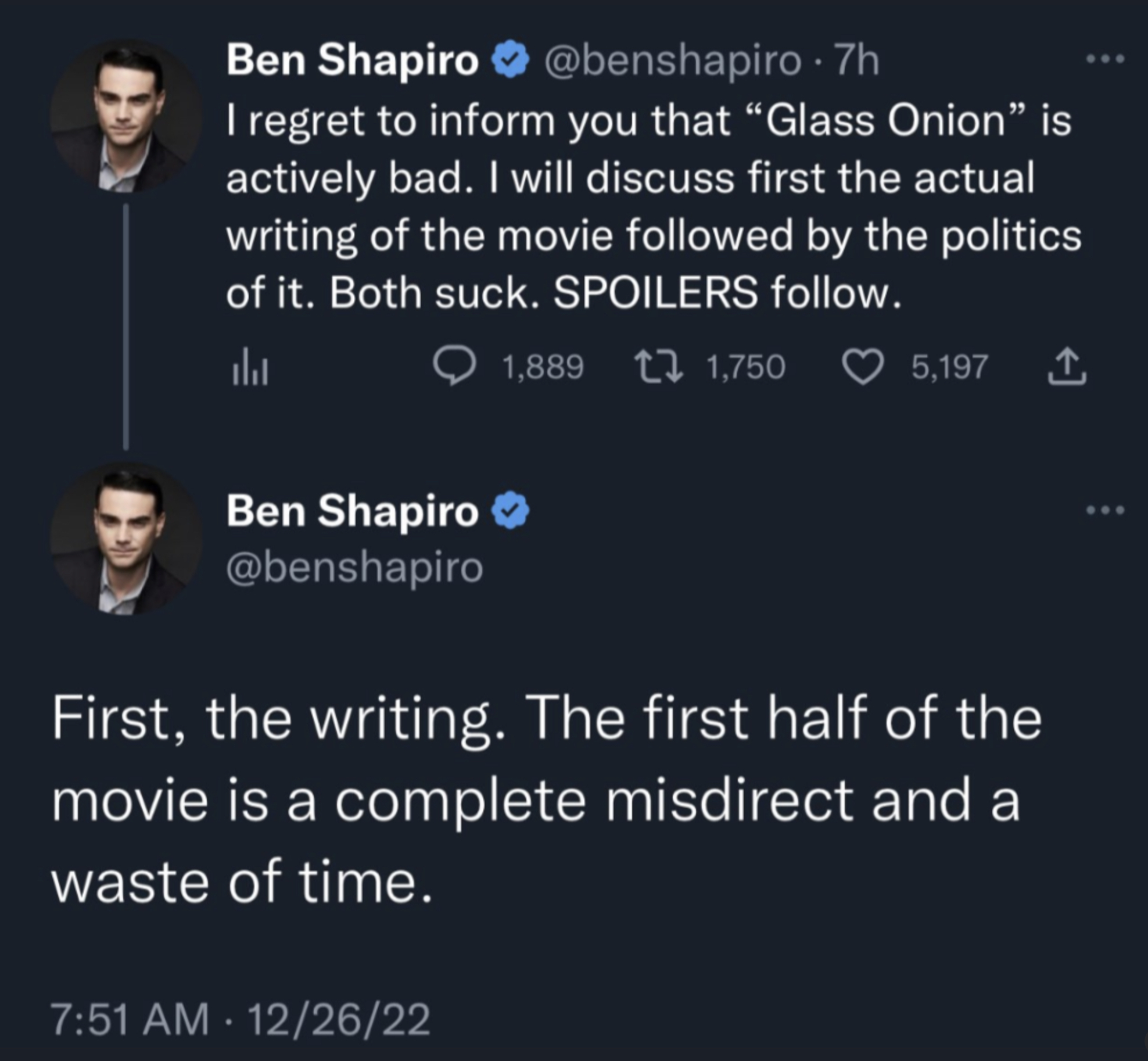
without saying you know nothing about mystery fiction.”
Misdirection in a mystery story? How very, very shocking. Is that really allowed? Please fetch Mr. Shapiro’s smelling salts. But let’s continue while he’s overcome and hope that he’ll be able to catch up. You know—someday.
Having quoted the Shapiro’s tweets, I suppose it’s not too much to say that the plot of the movie doubles back on itself a couple of times and that we have occasion to realize that things we actually saw with our own eyes didn’t happen quite as we understood them. That’s as much as I want to say about the plot.
The script has some really funny bits in it, like the malapropisms that accumulate in Norton’s lines until Craig’s character brutally calls them out in what seems to be (but is not) the climactic scene of the movie. The situations are kind of funny, too, as when the preening, gun-wielding advocate of “mandom” turns out to be a cuckold, and when the strained, smilingly inept character played by Kate Hudson manages to stick her foot in her mouth and bite it off (not literally). It’s a witty script with some cartoonishly broad performances, but there are also moments where characters reveal hidden sides, like this one thing I can’t talk about, and another thing I can’t talk about, and Madelyne Cline’s character Whiskey, who proves to be more thoughtful than the arm-candy she seemed to be at first. Then there’s this guy who walks on and off screen, like the roommate of Thakkarzorg, Tyrant of Dimension 14-B. I could go on.
Unlike its forbears, this is not a great mystery. But it is a well-written and cunningly plotted comedy with a translucent core of explosive satire. I could recommend it whole-heartedly, if it weren’t too long.
Posted in Christmas, comedy, movie review, mystery
Comments Off on State of the Onion